You Survived the Crash—But the Trauma Didn’t End There
Walking away from a serious car accident on I-285, GA-400, or the Downtown Connector can feel like relief in the moment. But for many people across Metro Atlanta—from Buckhead to Decatur, from Marietta to Sandy Springs—the emotional impact begins long after the vehicles are cleared from the roadway. Physical injuries may heal, yet the psychological effects can quietly intensify.
It is common for symptoms of PTSD to emerge weeks after motor vehicle accidents, especially high-speed highway collisions or multi-vehicle crashes near busy corridors like Peachtree Street or I-75. Survivors often experience intrusive memories, heightened anxiety while driving, panic at intersections, or difficulty sleeping. These reactions are not signs of weakness—they are medically recognized trauma responses.
Many individuals hesitate to acknowledge what they are feeling because they assume emotional harm does not carry the same weight as physical injury. Concerns about whether anxiety, flashbacks, or depression qualify under legal standards often prevent people from seeking help. However, psychological trauma connected to a documented car accident may support an emotional distress claim when properly evaluated and supported by medical evidence.
At Amircani Law, we understand that recovery after motor vehicle accidents is not just physical. If you are struggling with symptoms of PTSD or ongoing emotional trauma after a collision in Metro Atlanta, your experience matters. Emotional injuries are real, they are recognized under the legal system, and they deserve careful attention as part of a comprehensive emotional distress claim.
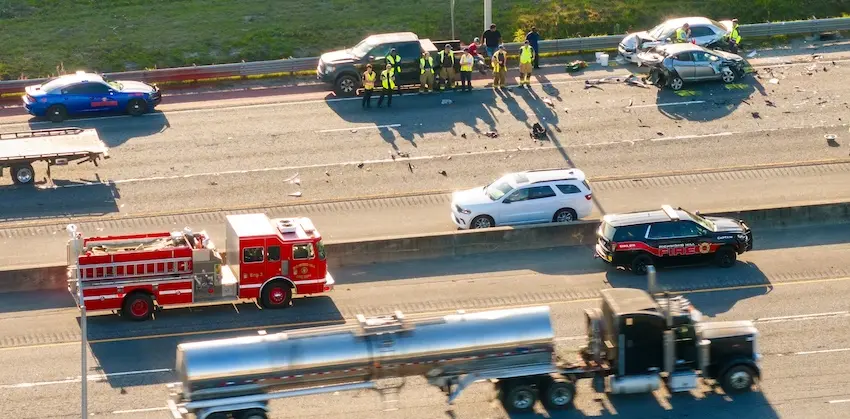
Emotional Trauma After a Crash Is Real—And It Can Be Legally Recognized
After a serious car accident, many people expect bruises, soreness, or physical recovery time. What they do not always anticipate is the emotional aftermath. Yet survivors of traffic collisions frequently experience symptoms consistent with PTSD, anxiety disorders, or trauma-related stress responses. At Amircani Law, we help clients understand that psychological harm following a crash is not only real—it can carry legal significance when properly documented.
Post-traumatic stress symptoms often include intrusive memories, avoidance of driving, heightened startle responses, irritability, and sleep disruption. These reactions may surface days or weeks after a motor vehicle collision, particularly when the incident involved sudden impact, vehicle rollover, or serious injury. Recognizing these patterns early is important, especially for individuals searching for answers about long-term emotional effects after a car accident.
Psychological injuries differ from physical injuries in visibility, not validity. A broken bone appears on an X-ray; trauma-related stress may instead appear in therapy records, psychiatric evaluations, or diagnostic assessments for PTSD. Because emotional harm does not always leave visible marks, some crash survivors hesitate to speak up. However, courts and insurers increasingly recognize that mental health conditions can be part of an emotional distress claim when supported by medical evidence and expert evaluation.
Compensation may be available when a mental health diagnosis is directly connected to the collision. This can include documented PTSD, anxiety disorders, depression, or other trauma-based conditions stemming from a serious car accident. Establishing eligibility often requires a clear timeline, professional diagnosis, and evidence linking the symptoms to the crash event under applicable legal standards.
Your Ability to Recover Compensation Depends on the Type of Claim
After a serious car accident, the path to recovery is not one-size-fits-all. The type of claim you pursue can directly affect what compensation is available, how evidence is presented, and how emotional trauma—such as PTSD—is evaluated. At Amircani Law, we guide clients through the appropriate legal route so their physical and psychological injuries are addressed in a structured, strategic way.
You May Have an Injury Claim Against a Negligent Driver
If another driver caused the collision, you may pursue a personal injury claim based on negligence. These claims typically focus on medical expenses, lost income, and non-economic damages, which can include trauma-related conditions and an emotional distress claim when supported by proper documentation.
In many traffic collision cases, survivors develop anxiety, driving phobias, or clinically diagnosed PTSD after the event. When those symptoms are connected to the crash through medical records and professional evaluation, they may form part of the broader compensation request. Establishing fault, documenting treatment, and presenting a clear timeline are critical components under applicable legal standards.
If the Crash Happened at Work, Workers’ Compensation May Apply
Not every crash claim follows the same path. If the car accident occurred while you were performing job duties—such as driving for deliveries, traveling between job sites, or operating a company vehicle—you may need to pursue workers’ compensation benefits instead of, or in addition to, a negligence claim. Workers’ compensation systems often treat psychological conditions differently from traditional injury cases. Coverage for trauma-related diagnoses like PTSD may depend on specific reporting rules and medical findings. Understanding which claim structure applies can determine whether an emotional distress claim is handled through a civil lawsuit or an administrative process.
The Legal Path You Choose Can Shape the Outcome
The difference between a third-party injury claim and a workplace-related filing is not procedural—it can affect the scope of recovery. Each route carries distinct evidentiary requirements and timelines under Georgia legal frameworks. Selecting the correct approach ensures that both physical injuries and emotional harm from a car accident are properly evaluated.
Proving the Trauma Is Connected to Your Crash Matters
After a serious car accident, describing emotional struggles is not enough on its own. To recover compensation for psychological harm, the connection between the collision and your trauma must be clearly established. At Amircani Law, we help clients structure claims so they meet applicable legal standards while accurately reflecting the reality of recovery.
A professional diagnosis is often the starting point. When a licensed mental health provider documents conditions such as PTSD, anxiety disorder, or trauma-related stress tied to a motor vehicle collision, that evaluation provides objective support. Courts and insurers rely on documented findings and recognized criteria when reviewing an emotional distress claim arising from a car accident.
Medical documentation further strengthens the claim. Therapy records, treatment plans, and consistent follow-up care help demonstrate that symptoms developed because of the crash. This becomes especially important when signs of PTSD or other trauma-related conditions appear gradually.
A clear timeline also plays a critical role. Identifying when symptoms began, when treatment was first sought, and how those symptoms progressed helps establish causation under legal principles. Aligning medical evidence with crash details reduces disputes and reinforces the credibility of your emotional distress claim.

When Insurance Companies Question the Emotional Impact of Your Crash
Even after a documented car accident, insurance carriers often approach psychological injury claims with skepticism. While physical injuries are easier to measure, conditions such as PTSD or trauma-related anxiety are sometimes challenged during the review process. At Amircani Law, we prepare clients for these tactics and structure every legal argument around documented medical evidence and consistent treatment history.
Insurers may argue that emotional symptoms are exaggerated or unrelated to the collision. In cases involving a motor vehicle crash with limited visible injury, carriers sometimes question whether flashbacks, panic episodes, or sleep disruption truly stem from the event. These arguments are common when someone files an emotional distress claim, particularly if symptoms developed gradually after the impact.
Another frequent issue involves pre-existing mental health conditions. Insurance companies may attempt to attribute current symptoms to prior anxiety or depression rather than to the crash itself. However, even when a person has a mental health history, a traumatic collision can significantly worsen or reactivate symptoms, including clinically diagnosed PTSD. Under established legal standards, aggravation of a pre-existing condition can still be compensable when supported by medical documentation.
Consistency in treatment plays a critical role in countering these challenges. Regular therapy sessions, psychiatric evaluations, and documented symptom progression help demonstrate credibility. When records clearly connect the timeline of emotional harm to the car accident, insurers have fewer grounds to dispute causation. A well-supported emotional distress claim grounded in professional diagnosis and ongoing care strengthens the overall legal position.
The Effects of PTSD After Your Crash Can Reach Every Part of Your Life
Surviving a serious car accident is only the beginning of recovery. For many individuals, the emotional aftermath—particularly symptoms associated with PTSD—can disrupt routines, careers, and relationships long after the vehicles are repaired. At Amircani Law, we help clients understand how the full impact of trauma should be considered within a properly supported emotional distress claim under applicable legal standards.
Psychological injuries are not confined to moments of panic or isolated flashbacks. They often affect daily function in measurable, documented ways. When trauma follows a collision, the consequences may include:
- Difficulty returning to work due to anxiety, concentration problems, or fear of driving
- Avoidance of highways, intersections, or heavy traffic after the car accident
- Reduced job performance tied to sleep disruption or intrusive memories
- Strained relationships caused by mood changes, irritability, or emotional withdrawal
- Ongoing therapy sessions, psychiatric care, or medication management for PTSD
- Long-term treatment expenses connected to trauma recovery
These life disruptions are not abstract. They can influence earning capacity, household stability, and overall well-being. When symptoms interfere with employment or daily independence, those effects may be evaluated as part of an emotional distress claim arising from the crash.
Courts and insurers reviewing a legal claim often look for evidence showing how trauma impacts real-world functioning. Consistent treatment records, employer documentation, and professional evaluations help demonstrate that the consequences of the car accident extend beyond physical injuries. In cases involving diagnosed PTSD, this broader impact can significantly shape the value and structure of the claim.
If You Suspect PTSD After a Collision, Taking the Right Steps Now Can Protect Your Future
After a serious car accident, it is common to focus first on physical recovery. But if anxiety, intrusive memories, or persistent fear begin to interfere with daily life, it may signal something deeper. Symptoms consistent with PTSD can develop days or even weeks after a crash, especially following a high-impact motor vehicle collision. Recognizing those signs early allows you to protect both your health and your position under the legal system.
Seeking a professional mental health evaluation is often the first and most important step. A licensed psychologist or psychiatrist can assess whether your symptoms meet clinical criteria for trauma-related conditions. A formal diagnosis creates a medical foundation that may later support an emotional distress claim tied to the car accident. Without professional documentation, it becomes more difficult to connect emotional harm to the collision.
Following treatment recommendations is equally important. Consistent therapy sessions, prescribed medication when appropriate, and documented progress notes all demonstrate that the condition is real and actively managed. When individuals pursue care in a structured way, it strengthens credibility under legal review and supports any potential emotional distress claim connected to PTSD.
It is also wise to avoid minimizing what you are experiencing. Casual statements such as “I’m fine” or “It’s not a big deal” can later be misinterpreted during a legal evaluation. Emotional injuries following a car accident deserve the same seriousness as physical ones, especially when symptoms affect work, relationships, or daily functioning.
Building a Strong Psychological Injury Case Requires Strategy and Support
Recovering after an auto accident is not always limited to physical healing. When trauma-related symptoms begin to affect work, relationships, and daily life, the path forward requires structure, documentation, and thoughtful advocacy. At Amircani Law, we approach psychological injury matters with a strategy designed to meet modern legal standards while accurately presenting the human impact of the crash.
Your Attorney Coordinates Medical and Expert Evidence
A strong case begins with credible documentation. When a client is diagnosed with post-traumatic stress disorder or another trauma-related condition, medical records alone may not tell the full story. Attorneys often work with treating providers, psychologists, psychiatrists, and, when necessary, independent experts who can explain how the collision triggered or aggravated the condition.
This coordination ensures that clinical findings align with crash details, symptom timelines, and functional limitations. In an emotional distress claim, expert interpretation can clarify how the trauma connects directly to the auto accident, strengthening the evidentiary foundation under applicable legal principles.
The Full Scope of Emotional Harm Must Be Demonstrated
Psychological injuries rarely affect just one area of life. A well-prepared claim documents how symptoms influence employment, daily routines, family dynamics, and long-term well-being. When someone develops post-traumatic stress disorder following a motor vehicle collision, the impact may include disrupted sleep, concentration difficulties, avoidance behaviors, and heightened anxiety in traffic settings.
Demonstrating this broader effect is essential in an emotional distress claim. Structured timelines, treatment summaries, employer documentation, and personal impact statements help illustrate the real-world consequences of the trauma while maintaining credibility within the legal process. Insurance carriers may attempt to minimize psychological harm by questioning the severity or causation. They may argue that symptoms are temporary or unrelated to the crash. Anticipating these tactics allows your attorney to respond proactively with medical analysis, expert insight, and consistent documentation.

When the Right Legal Strategy Helps You Recover Fully After a Crash
After a serious car accident, the path to recovery is not always limited to a single type of claim. Depending on how and where the collision occurred, you may have options through workers’ compensation, a personal injury action, or both. Understanding which route applies can directly affect how physical injuries and trauma-related conditions—such as PTSD—are evaluated under the legal system. At Amircani Law, we guide clients through this decision with clarity so every aspect of recovery is considered.
If the crash happened while you were performing job duties, workers’ compensation benefits may apply. In other situations, a negligence-based claim may allow recovery that includes damages tied to an emotional distress claim stemming from the car accident. Each path carries different standards and procedures, and selecting the right one early helps protect your rights under applicable legal rules.
Long-term mental health care is also an important factor. Ongoing therapy, psychiatric treatment, and medication costs associated with PTSD can extend well beyond the initial incident. Securing appropriate compensation—whether through a workplace claim or a civil action—helps ensure continued access to care and financial stability. If you are struggling with emotional or psychological effects after a car accident, contact Amircani Law today for a confidential consultation at 678-661-5102. Our team will evaluate your situation, explain your legal options, and help you pursue compensation that reflects the full impact of your injuries—both physical and emotional.