Do I Need to Go to the Hospital if I Feel Fine After a Car Accident?
You walked away from the crash. Your car is damaged, but you feel okay. No severe bleeding, no chest pain, no obvious signs that anything is seriously wrong. So you start to wonder: do I need to go to the hospital if I feel fine after a car accident? It is one of the most common questions the team at Amircani Law hears from clients across Atlanta, and the answer is almost always yes. Adrenaline and shock can hide serious injuries for hours or even days after a crash, turning what feels like a close call into a delayed medical emergency.
Getting the right care fast protects your health, and working with an experienced Atlanta car accident lawyer protects your rights. This guide walks you through what to watch for, where to get care, and why acting quickly makes all the difference.

What Happens if You Don’t Seek Medical Care Right Away?
After a car accident, it is tempting to go home, especially after minor property damage or a low-speed crash. Skipping medical care, however, can hurt both your health and your legal claim. Getting the right care fast matters more than most people realize.
Insurance Companies May Question Your Injuries
An adjuster may argue that you were not injured because you did not visit an urgent care clinic, a doctor’s office, or a hospital emergency room. They may claim the injury happened later at work or from a different incident. This can lead to a reduced settlement or a full denial.
Delayed Care Makes Proving Your Claim Harder
Medical records connect your injury to the crash. Without early notes from emergency physicians, urgent care centers, or your primary care physician, the other driver’s insurer may argue your pain has no clear cause. That gap can slow your treatment and delay payment from your health insurance company.
Untreated Injuries Get Worse Over Time
Internal bleeding, a concussion, or a spinal injury can begin with mild signs and turn into severe injuries. If you develop chest pain, trouble breathing, severe bleeding, confusion, or an inability to move, call 911 and go to the nearest emergency room right away. Do not wait to see if symptoms improve on their own.
Common Injuries That May Not Show Immediate Symptoms
Adrenaline can mask pain after a car accident, especially after serious crashes on rural roads or in heavy oncoming traffic. A person can walk away, handle property damage, and talk to the other driver, then feel symptoms hours or days later. Hidden injuries still need medical care, even when the crash seems minor.
Soft Tissue Injuries
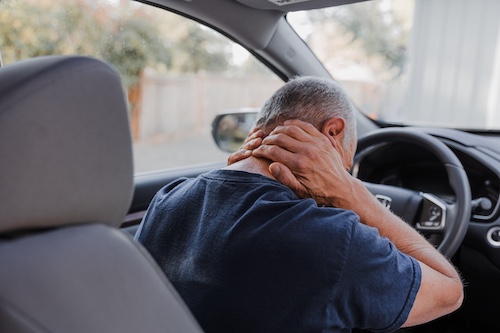
Whiplash, sprains, and strains can hide at first. You may notice stiffness in your neck, shoulders, or back the next morning. Low-speed crashes can still damage muscles and ligaments. Early in-person care creates a record and helps prevent long-term damage.
Concussions and Traumatic Brain Injuries
You can have a concussion without a direct hit to the head. Watch for headaches, dizziness, confusion, or changes in your mental state. Emergency physicians in a hospital emergency room can check for serious injuries and order the right imaging.
Internal Bleeding and Organ Damage
Internal bleeding can be life-threatening and difficult to detect without medical tests. It can cause abdominal pain, deep bruising, weakness, or fainting. Do not wait at home if these signs develop after a crash.
Spinal Injuries
A herniated disc or nerve impingement can cause numbness, tingling, or weakness in your arms or legs. It can also limit your ability to walk or sit. Spinal injuries often worsen without prompt treatment and documentation.
Delayed Symptoms to Watch For After a Car Accident
Some injuries appear hours after a crash, sometimes at night when your body finally slows down. Watching for delayed symptoms is one of the most important steps you can take after a car accident.
Head and Neurological Symptoms
Headaches, dizziness, and vision changes can point to a concussion or brain injury. Confusion, memory problems, or personality changes can also follow head trauma and affect your mental state. Do not dismiss these as stress or fatigue.
Neck, Back, and Limb Symptoms
Neck and back pain from whiplash or spinal injuries often starts as stiffness and gets worse over days. Numbness, tingling, or weakness in your arms or legs can signal nerve impingement or a herniated disc that needs prompt evaluation.
Abdominal and Internal Symptoms
Nausea, vomiting, or abdominal pain after a crash can be signs of internal bleeding or organ damage. Bruising, swelling, or pain that deepens over time also warrants immediate attention. These symptoms require emergency care, not a wait-and-see approach.
Emotional and Sleep-Related Symptoms
Anxiety, sleep problems, and mood swings can appear after the physical shock of a crash fades. These are real symptoms that a doctor needs to document. If chest pain, trouble breathing, or severe bleeding develop alongside these, call 911 immediately.
When Should You Go to the Hospital, Urgent Care Clinic, or Doctor’s Office?
The right care depends on your symptoms, the severity of the crash, and your personal risk level. Serious crashes on rural roads, high-speed impacts, or collisions involving a pedestrian or other road users can cause hidden injuries. When in doubt, choose in person care.
Hospital Emergency Room: Signs You Need Immediate Care
Go to the nearest emergency room or call 911 for any life threatening signs. This includes chest pain, trouble breathing, difficulty breathing, severe bleeding, severe cuts, loss of consciousness, or an inability to move. If the crash involved oncoming traffic or major property damage, let emergency physicians assess you in the emergency department. Do not drive yourself.
Urgent Care Centers: When to Seek Same-Day Evaluation
An urgent care clinic is a good choice for symptoms that are not life threatening but still need same-day attention. Worsening headaches, neck pain, mild to moderate back pain, swelling, and minor cuts all qualify. Urgent care can also screen for concussion and help you determine if the emergency room is the right next step. Bring your health insurance company information, but do not wait for approval before getting care.
Primary Care Doctor: Routine Follow-Up and Mild Symptoms
For mild symptoms after a minor crash, start with your primary care doctor or primary care physician. A primary care visit helps track delayed symptoms like low grade fevers, dizziness, or new pain over the following days. Your doctor can order tests, refer you to other specialists, and document your injury for an insurance or legal claim.
The Importance of Medical Documentation for Insurance and Legal Claims
Medical records do more than track your recovery. They protect your legal rights and support your claim with the insurance company.
Prompt Care Creates a Clear Timeline
Visiting an emergency room, urgent care clinic, or your primary care doctor soon after the crash links your symptoms directly to the accident date. That timeline shows you acted responsibly and gives the insurer less room to dispute the cause of your injuries.
Insurance Adjusters Review Your Records Closely
The other driver’s insurance adjuster looks at your emergency department chart, urgent care notes, imaging results, and follow-up visits. They look for a recorded history of the crash, early symptoms like neck pain or dizziness, and consistent treatment. Gaps in care give them grounds to reduce or deny your claim.
Delayed Care Opens the Door to Denial
If you wait days or weeks, the insurance company may argue your pain came from common illnesses, work, or unrelated activity. Your health insurance company may also require documentation before covering treatment. A prompt visit removes that argument and keeps your options open if symptoms worsen later.

Contact Amircani Law for Guidance After a Car Accident!
If you are still asking whether you need to go to the hospital after feeling fine following a car accident, you are not overreacting. Adrenaline can hide pain from a concussion, internal bleeding, or severe cuts until hours later. Your first step is safety and medical care. Your second step is protecting your rights.
At Amircani Law, we help injured drivers, passengers, pedestrians, and other road users after a car accident. We will help you understand the difference between emergency care, urgent care, and primary care, and we will help you gather the records you need for your claim.
Contact us at 678-661-5102 for a free case consultation today!